
Introduction:
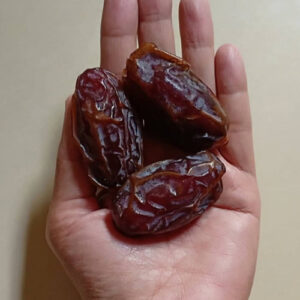
Imagine a fruit that has witnessed the rise and fall of empires, a food that has sustained entire civilizations across millennia, and a symbol that holds profound meaning in sacred texts and ancient rituals. This is not a mythical concept but the reality of the humble date. For those of us in the business of supplying this remarkable fruit, understanding its journey is to appreciate the deep legacy we are part of. This is not merely a product; it is a capsule of human history, a thread woven into the fabric of countless cultures and traditions around the globe. Its story begins not in decades, but in millennia ago, and continues to unfold on modern dining tables. This exploration into the cultural and historical importance of dates reveals why this fruit has been, and continues to be, an indispensable part of human life.
Ancient Beginnings: The Cradle of Civilization
The story of the date palm is inextricably linked with the dawn of human settlement. Archaeological evidence suggests that date cultivation began over 6,000 years ago in the lands of Mesopotamia, the fertile crescent between the Tigris and Euphrates rivers. Here, in what is often called the cradle of civilization, the date palm was not just a source of food. It was the cornerstone of life. The tree provided shade in the harsh desert sun, its fronds were woven into baskets and roofing, and its trunk served as timber. But it was the fruit that offered true sustenance. The high sugar content provided essential energy, while its ability to be dried and stored made it a reliable food source throughout the year, enabling communities to survive and thrive in an arid environment. This symbiotic relationship between people and the date palm laid the foundation for some of the world's earliest urban centers, making it a literal and figurative pillar of ancient society.
A Symbol in Sacred Texts and Religious Traditions
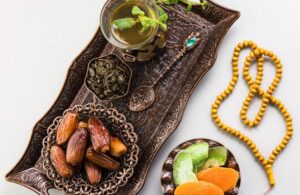
The reverence for the date palm transcends mere sustenance, finding a profound place in the spiritual texts and practices of major world religions. In the region where these traditions blossomed, the date was a familiar and life-giving presence, making it a powerful metaphor and a sacred object in its own right. In Islamic tradition, the fruit holds special significance. It is customary to break the daily fast during Ramadan with dates and water, following a practice established centuries ago. This act is not just about nutrition; it is a Sunnah, a tradition imbued with spiritual meaning, symbolizing purification, gratitude, and a return to a natural, wholesome state. The tree itself is mentioned repeatedly as a symbol of goodness and resilience. Similarly, in Christian and Jewish traditions, the date palm is a symbol of victory, peace, and righteousness. It is mentioned in the Psalms and featured in celebrations. This deep-rooted spiritual connection has ensured the fruit’s continuous presence in religious ceremonies and family traditions for thousands of years, creating a consistent and meaningful demand that spans generations and continents.
The Date's Role in Global Exploration and Trade
As civilizations expanded and trade routes developed, the date began its journey across the world. The famed Silk Road and other trading pathways were not just conduits for silk and spices; they were also highways for agricultural exchange. Traders and explorers carried dates as a compact, non-perishable, and high-energy food source on their long journeys. Through these movements, the date palm was introduced to new regions, from North Africa and Southern Europe to parts of Asia. In each new land, it was adapted and integrated into local cuisines and agricultural practices. The ability of the fruit to travel without spoiling made it one of the world's first truly globalized foods. This historical role as a trade commodity is a direct ancestor of today's international market, where suppliers connect harvests from the Middle East with consumers across the globe, a testament to the fruit’s enduring appeal and portability.
Dates in Middle Eastern and North African Cuisine
In the cuisines of the Middle East and North Africa, the date is far more than a snack; it is a fundamental ingredient that defines both sweet and savory dishes. Its natural sweetness makes it a perfect base for desserts like Ma'amoul, delicate pastries stuffed with date paste and nuts, often prepared during festive occasions. It is transformed into rich, syrupy molasses known as "dibs" that is used as a sweetener. On the savory side, dates are slow-cooked with lamb and chicken in tagines, where their sweetness beautifully balances spices like cumin, cinnamon, and saffron. They are chopped and added to rice dishes, stuffings, and salads, providing bursts of flavor and texture. This culinary versatility demonstrates the fruit's deep integration into the daily life and celebratory feasts of the region, representing a culinary heritage that is both ancient and vibrantly alive today.

The Journey to the West: Dates in Modern Global Cuisine
In more recent centuries, the date has successfully journeyed into Western pantries and restaurants, transitioning from an exotic import to a staple health food. The health and wellness movement catapulted the date into the spotlight, celebrated for its natural sweetness and nutrient density. It became the hero of the raw food movement, used as the primary binder and sweetener in everything from energy bars and raw cheesecakes to bliss balls. Modern chefs now use dates to add depth to sauces, to wrap in bacon as a sophisticated appetizer, and to blend into smoothies. This adoption speaks to a growing global desire for foods that are both nutritious and rich in story. The fruit’s ability to bridge the gap between ancient tradition and contemporary culinary trends is a powerful aspect of its modern relevance, a point of interest for consumers who seek authenticity and quality, factors that directly influence the perceived harga kurma malaysia (Price of dates) and its value in the market.
Cultural Significance: Hospitality, Celebrations, and Symbolism
Beyond the plate, the date carries immense cultural weight as a universal symbol of hospitality, generosity, and celebration. Across the Arab world, it is a customary gesture of welcome to offer guests dates and coffee. This act is deeply ingrained in social codes, representing respect and a warm welcome. During festive periods, such as Eid al-Fitr or Ramadan, dates are central to the celebration, shared among family and friends and donated to those in need. They are also symbolic in other ways; their association with sustenance and life made them a common motif in ancient art and architecture. This cultural role is crucial for suppliers to understand, as it highlights that the fruit is often purchased not just for consumption, but for fulfilling social and ceremonial obligations, driving demand during specific seasons and for specific, high-quality varieties.
The Date Palm: The Tree of Life
To understand the fruit, one must honor the tree. The date palm has been famously called the "tree of life" for a very practical reason: every single part of it was traditionally used. The fruit, of course, was food. The seeds were ground into feed for animals. The fronds were woven into baskets, mats, and roofing. The trunk provided timber. The sap could be turned into sugar or fermented. This complete utilization meant that a grove of date palms could support a community in myriad ways, providing not just nutrition but also shelter, fuel, and material goods. This holistic value cemented its status as the most important plant in desert ecosystems, a true lifeline that enabled human habitation in some of the world's most challenging environments. This history adds a layer of profound respect for the entire supply chain, from the groves to the global market.
Preservation of Heritage and Heirloom Varieties
An fascinating aspect of the date's history is the preservation of countless heirloom varieties, each with its own unique flavor, texture, and history. For centuries, farmers have cultivated specific types prized for their qualities—some are exceptionally soft and honey-like, others are firmer with a caramel note, and some are best for drying. This diversity is a form of living agricultural heritage. In recent years, there has been a growing appreciation for these unique varieties among connoisseurs, similar to the way people seek out single-origin chocolate or heirloom tomatoes. This trend presents an opportunity for suppliers to cater to a niche market that values story, origin, and uniqueness, where the harga kurma medjool or other premium varieties reflects not just size but also a narrative of tradition and terroir.

Conclusion:
The journey of the date is a remarkable narrative of resilience, adaptation, and enduring appeal. From its ancient origins as a bedrock of survival to its sacred status in global religions, and its current role as a modern superfood, the date has consistently proven its value to humanity. It is a fruit that carries the taste of history and the warmth of cultural traditions. For suppliers, this rich background is not just a trivia; it is the very essence of the product. It provides a powerful narrative to share with customers, transforming a simple transaction into a connection with a timeless story. The fruit’s ability to remain relevant across thousands of years is a testament to its unique qualities. As we look to the future of food, with its emphasis on sustainability, natural nutrition, and authentic stories, the date is perfectly positioned to continue its reign, reminding us that the best foods are those that nourish both the body and the soul. Understanding the general kurma harga (pricing of dates) is essential, but understanding the value behind the price—the centuries of history, culture, and craftsmanship—is what truly sets a knowledgeable supplier apart.
A personal reflection: In this business, it's easy to get caught up in metrics like volume and price of dates. But sometimes, holding a single date and considering its incredible journey—from an ancient oasis to a modern table—is a humbling experience. It connects us to a chain of growers, traders, and families that spans continents and centuries. We're not just moving a product; we're sharing a piece of human history.